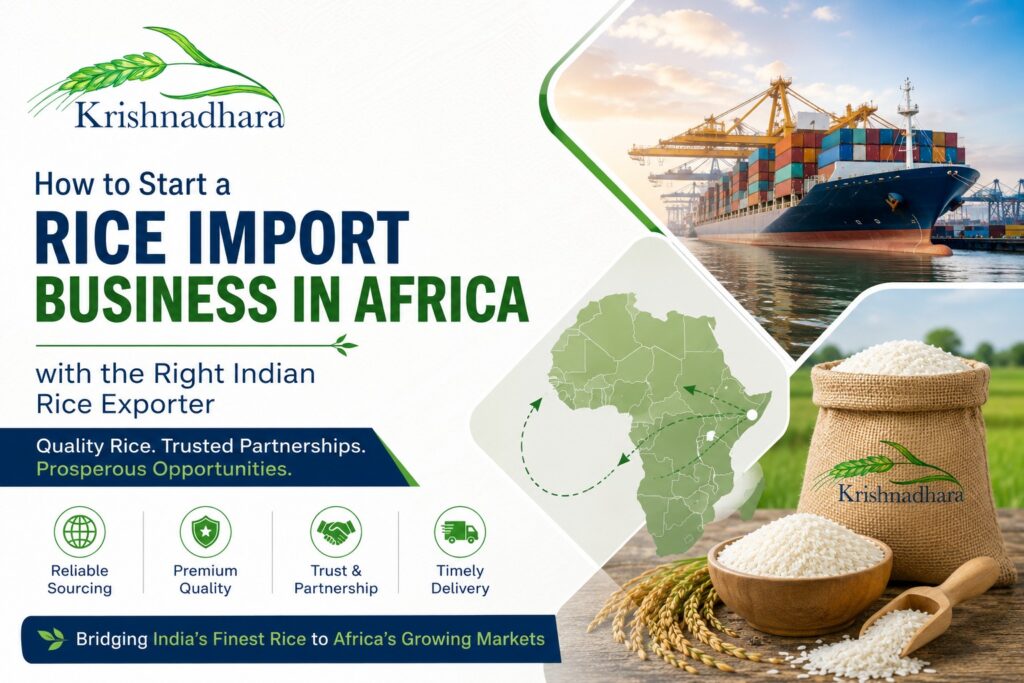
Rice is no longer just a basic food product in Africa. In many countries, it has become part of everyday life. Demand keeps rising across urban and rural markets, which creates a strong opportunity for importers, wholesalers, distributors, and supermarket suppliers.
But here’s the thing. Starting a rice import business is not only about finding cheap rice. Successful importers understand supply chains, product quality, pricing strategy, logistics, customs regulations, and customer demand before they place their first order.
If you are planning to import rice from India into African markets, this guide will help you understand the practical first steps, common mistakes to avoid, and how working with a trusted exporter like Krishnadhara Enterprise can support long term business growth.
Why Africa Depends on Rice Imports
Rice consumption across Africa has grown steadily over the last decade. Population growth, changing food habits, urbanization, and increasing middle class demand continue to push rice consumption higher every year.
Many African countries still rely heavily on imports because local production often cannot fully meet national demand.
Major importing countries include:
- Nigeria
- Ghana
- Kenya
- South Africa
- Tanzania
- Uganda
What this really means is simple. Reliable rice suppliers will continue to play an important role in African food distribution networks.
India remains one of the preferred sourcing destinations because of:
- Competitive export pricing
- Large production capacity
- Wide range of rice varieties
- Strong export infrastructure
- Consistent global shipping capability
Understanding the Rice Business Model Before You Start
Before importing your first shipment, you need to decide which business model fits your market.
Wholesale Distribution
This model focuses on supplying rice in bulk to:
- Retail shops
- Local distributors
- Supermarkets
- Food wholesalers
This is one of the most common entry points for new importers.
Retail Rice Brand
Some businesses import rice and sell it under their own local brand name.
This model requires:
- Custom packaging
- Branding
- Marketing
- Distribution partnerships
The profit margin can be higher if the brand becomes trusted in the market.
Institutional Supply
Hotels, restaurants, schools, catering companies, and government food programs buy rice regularly in large quantities.
This market values:
- Consistent quality
- Stable supply
- Reliable delivery schedules
Step-by-Step Guide to Starting a Rice Import Business in Africa
1. Study Your Local Market Carefully
Many new importers skip this step and lose money quickly.
Before sourcing rice, research:
- Which rice varieties sell best
- Consumer buying behavior
- Popular packaging sizes
- Average market prices
- Existing competitors
- Seasonal demand changes
For example:
In Nigeria, parboiled rice has strong market demand because consumers prefer its cooking texture and shelf stability.
In Ghana, premium aromatic rice categories continue to grow in urban markets.
In Kenya, both affordable and premium rice segments have strong customer demand depending on the region.
Understanding these differences helps you choose the right rice category instead of importing products with weak market demand.
2. Choose the Right Type of Rice
Not every rice product targets the same customer segment.
Here are the most commonly imported rice categories from India.
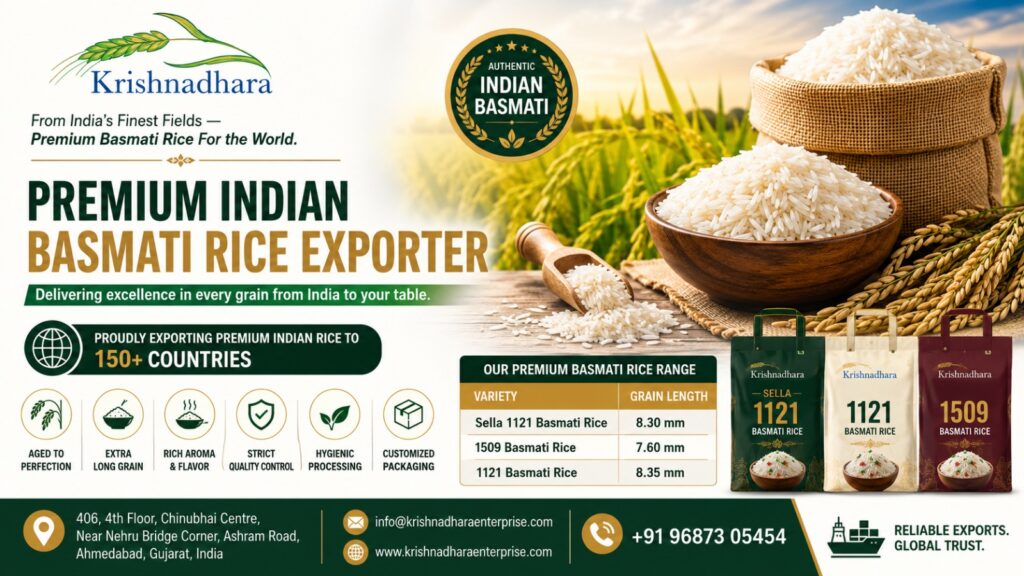
Basmati Rice
Basmati rice is known for:
- Long grain length
- Rich aroma
- Soft texture after cooking
It is usually sold in premium retail and hospitality markets.
Non Basmati Rice
Non basmati rice is widely consumed because it is more affordable and suitable for mass distribution.
This category works well in price sensitive markets.
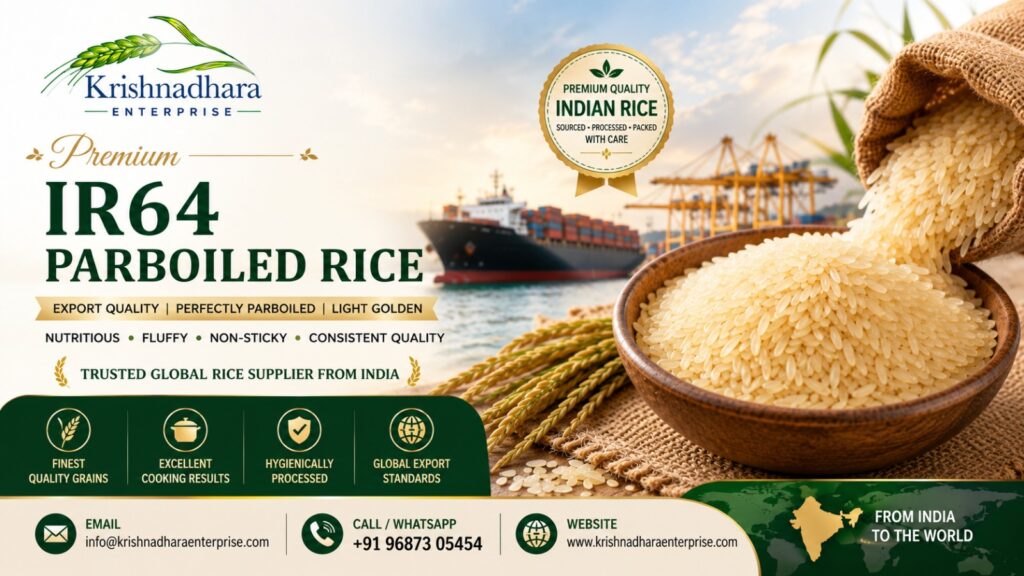
Parboiled Rice
Parboiled rice is especially popular in several African countries because of:
- Longer shelf life
- Better grain strength
- Reduced breakage during transport
- Preferred cooking texture
Broken Rice
Broken rice is commonly used for:
- Food manufacturing
- Commercial kitchens
- Animal feed industries
- Budget rice markets
A reliable exporter should help you choose the right category based on your market demand and budget.
How to Select a Reliable Indian Rice Exporter
Your supplier can directly affect your business reputation. Poor quality shipments, delayed containers, incorrect documents, or inconsistent supply can create serious problems for importers.
When selecting an Indian rice exporter, look for:
Export Experience
An experienced exporter understands international documentation, container handling, and shipping procedures.
Quality Standards
Check whether the supplier follows proper quality inspection and packaging standards.
Always ask for:
- Product specifications
- Rice samples
- Packaging images
- Quality certifications
Supply Capacity
Your supplier should be able to handle repeat orders consistently as your business grows.
Communication Transparency
Good exporters communicate clearly about:
- Pricing
- Shipment timelines
- Product availability
- Documentation
- Freight conditions
Flexible Packaging Options
African markets often require different packaging formats such as:
- 5kg bags
- 10kg bags
- 25kg bags
- 50kg bags
Some importers also request private labeling for local retail brands.
Krishnadhara Enterprise works with international buyers and supports rice exports with quality-focused supply and export coordination.
Important Documents Required for Rice Import
Rice import documentation varies by country, but most importers generally need:
- Import license
- Business registration certificate
- Tax identification documents
- Bill of lading
- Commercial invoice
- Packing list
- Phytosanitary certificate
- Certificate of origin
- Customs clearance documentation
Here’s where many new importers struggle. Small documentation errors can delay cargo clearance and increase storage costs at ports.
That is why experienced exporters and customs agents become important business partners.
Understanding Rice Shipping and Logistics
Most rice shipments from India to Africa move through ocean freight containers.
The standard export process usually includes:
- Product inquiry
- Quotation and negotiation
- Sample approval
- Purchase confirmation
- Production and packaging
- Container loading
- Shipping documentation
- Sea freight movement
- Customs clearance
- Local delivery and distribution
Shipping timelines vary depending on:
- Destination country
- Port congestion
- Freight availability
- Customs procedures
Professional exporters help reduce delays by ensuring documents and packaging meet international requirements.
Cost Factors You Must Calculate Before Importing Rice
Many first time importers only focus on rice prices and forget other business costs.
You should calculate:
- Product cost
- Shipping charges
- Import duty
- Port handling fees
- Customs clearance fees
- Warehouse expenses
- Transportation costs
- Distributor margins
- Retailer margins
What this really means is that profit comes from planning, not just buying cheap products.
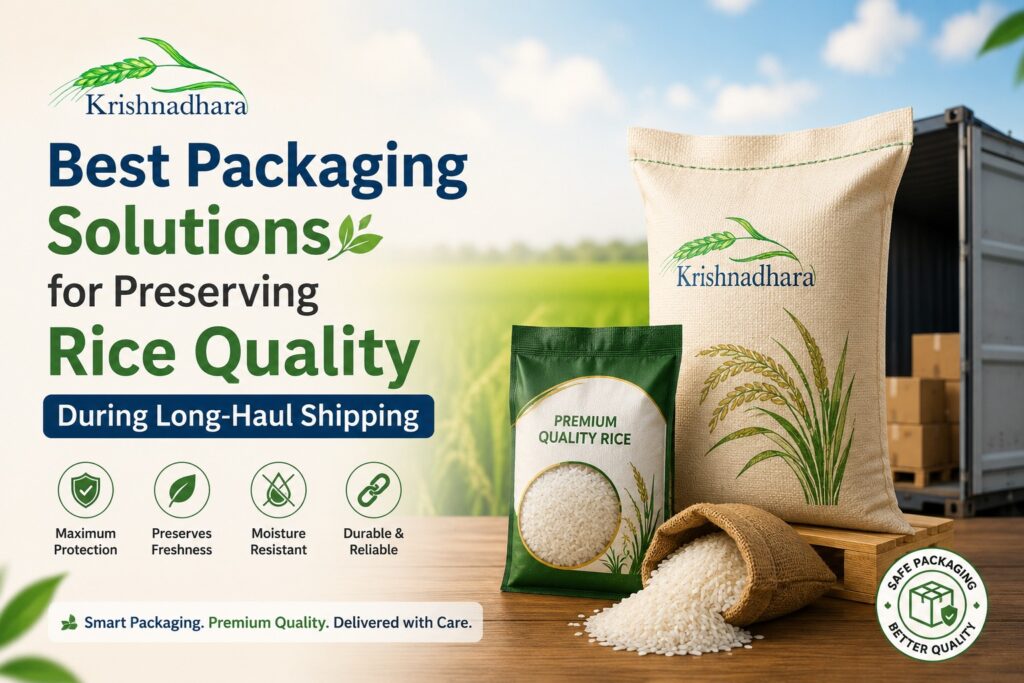
Why Packaging Plays a Major Role in Rice Sales
Packaging directly affects customer perception.
Strong packaging helps:
- Protect product quality
- Improve shelf appearance
- Build customer trust
- Support branding
- Reduce damage during transport
In competitive African markets, attractive packaging can influence repeat customer purchases.
Many distributors now prefer customized rice bags with their own branding and labeling.
Common Mistakes New Rice Importers Should Avoid
Buying Based Only on Low Prices
Extremely cheap pricing often leads to poor rice quality or inconsistent shipments.
Importing Large Quantities Too Early
Start with manageable shipments while testing your market response.
Ignoring Local Consumer Preferences
Different regions prefer different rice textures, grain lengths, and cooking styles.
Weak Distribution Planning
Importing rice is only one part of the business. You also need:
- Retail channels
- Distributor networks
- Warehousing
- Transportation support
Why Many African Buyers Work with Indian Rice Exporters
India continues to remain one of the leading rice exporting countries because exporters can provide:
- Competitive pricing
- Large quantity supply
- Multiple rice categories
- Consistent export operations
- International packaging solutions
This helps African businesses maintain reliable product availability throughout the year.
How Krishnadhara Enterprise Supports African Rice Buyers
Krishnadhara Enterprise supplies Indian rice for international markets and supports buyers looking for dependable export partnerships.
The company offers:
- Basmati rice exports
- Non basmati rice supply
- Bulk rice shipments
- Export documentation support
- International standard packaging
- Container loading coordination
- Global shipping assistance
For businesses entering the African rice market, supplier reliability becomes one of the biggest long term advantages.
Future Growth Opportunities in the African Rice Market
Rice demand across Africa is expected to continue growing due to:
- Urban population growth
- Expanding food retail chains
- Rising middle class consumption
- Increased demand for packaged food products
This creates opportunities in:
- Rice wholesale distribution
- Retail packaging brands
- Supermarket supply chains
- Hospitality supply
- Government contracts
- Food processing industries
Importers who focus on consistency, quality, and strong supplier relationships often build more sustainable businesses over time.
Final Thoughts
Starting a rice import business in Africa requires more than finding a supplier online. You need market understanding, pricing strategy, logistics planning, product knowledge, and dependable partnerships.
The opportunity is real because rice demand continues to grow across multiple African markets.
But long term success usually comes from consistency, product quality, and choosing the right export partner from the beginning.
If you are searching for a trusted Indian rice exporter for African markets, Krishnadhara Enterprise can support your business with quality rice supply and export assistance.
Frequently Asked Questions
Which type of rice is most imported in Africa?
Parboiled rice, non basmati rice, and basmati rice are among the most commonly imported categories depending on the country and customer segment.
Is rice import business profitable in Africa?
Yes. Rice remains one of the most consumed staple foods across many African countries, creating strong demand for importers and distributors.
How can I find a reliable Indian rice exporter?
Look for exporters with export experience, quality standards, transparent communication, and consistent supply capacity.
How much capital is needed to start a rice import business?
Startup costs depend on shipment size, freight charges, customs duty, and local distribution setup. Many businesses begin with smaller shipments before scaling operations.
Why do African importers prefer Indian rice suppliers?
Indian suppliers offer competitive pricing, large scale production, multiple rice varieties, and strong international export capabilities.
Address
406 , 4th Floor Chinubhai Centre, near Nehru bridge corner , ashram road , Ahmedabad, Gujarat, india
Mail Us
info@krishnadharaenterprise.com
Call Us
+91 9687305454