Introduction to the Growing Demand for Indian Rice in Africa
Rice is no longer just a staple in Africa. It is a daily essential that millions of households depend on. From street food vendors in Lagos to family kitchens in Accra, rice plays a central role in everyday meals. As demand continues to grow, importers are under constant pressure to find a supplier who can deliver consistent quality at the right price.
Here’s the thing. Not every exporting country can meet those expectations at scale. Indian rice has steadily earned its place across African markets because it solves real business challenges for importers. It offers reliability, variety, and pricing that makes sense in competitive markets.
Over the years, trade between India and African countries has strengthened, especially in the rice sector. Importers are not just buying rice. They are building long term supply relationships. And this is where Indian exporters, especially established names like Krishnadhara, have positioned themselves as dependable partners.
What Makes Indian Rice Stand Out in African Markets
When African importers evaluate suppliers, they are looking beyond just the product. They want consistency, predictability, and a product that performs well in their local markets. Indian rice stands out because it delivers across all these expectations.
One of the biggest advantages is grain quality. Indian rice is known for its uniform size, minimal broken grains, and clean processing. This directly impacts resale value. When rice looks good, it sells faster. Retailers prefer it, and consumers trust it.
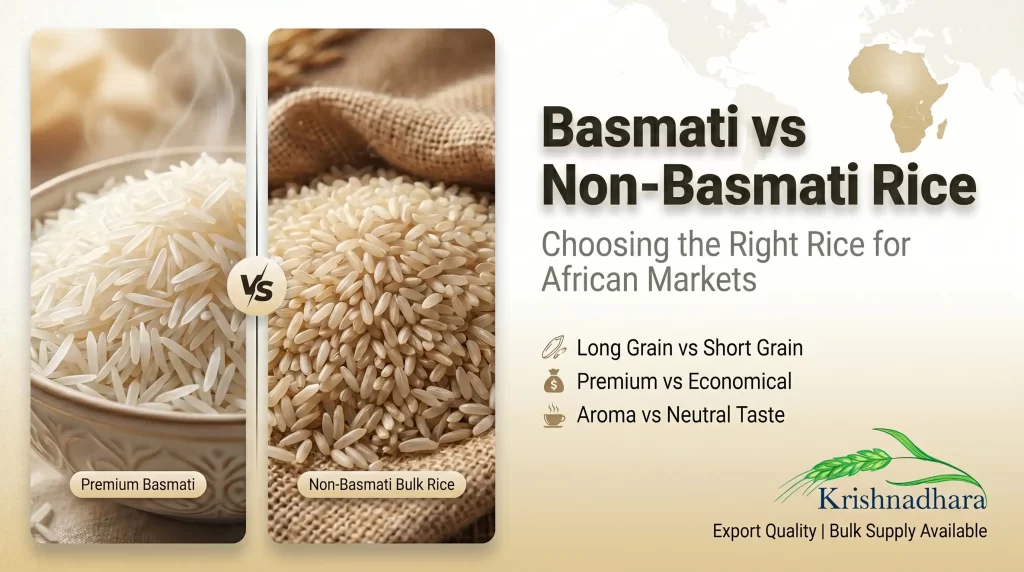
Then comes taste and texture. Basmati rice from India is widely known for its aroma and long grain structure. Even non basmati varieties are processed in a way that ensures they cook well, hold texture, and suit different cooking styles across Africa. Whether it is jollof rice in West Africa or pilau in East Africa, Indian rice adapts well.
Another key factor is consistency. Importers cannot afford variations in quality across shipments. Indian exporters maintain strict quality control, ensuring that every batch meets the same standard. What this really means is fewer complaints, better customer retention, and smoother business operations for importers.
Popular Indian Rice Varieties Exported to Africa
The African rice market is diverse, and so are its preferences. This is where India’s wide range of rice varieties becomes a strong advantage. Exporters can offer multiple options based on the importer’s target market and price segment.
Basmati rice is typically preferred in premium segments. Varieties like 1121 Basmati and 1509 Basmati are known for their long grain length and aromatic quality. These are often used in urban markets, hotels, and restaurants where presentation and taste matter. Consumers are willing to pay more for these qualities, which creates better margins for importers.
On the other hand, non basmati rice dominates the mass market. Varieties like IR64, Swarna, and parboiled rice are widely consumed across African countries. They are affordable, easy to cook, and suitable for large scale consumption. These varieties are especially popular in regions where price sensitivity is high but quality still matters.
What this really means is flexibility. Importers can choose the right mix of rice types based on their customer base, allowing them to cater to both premium and budget segments.
Competitive Pricing That Supports Market Growth
Pricing plays a major role in any import decision. African markets are highly competitive, and even small price differences can impact sales. Indian rice exporters are able to offer competitive pricing because of large scale production and efficient supply chains.
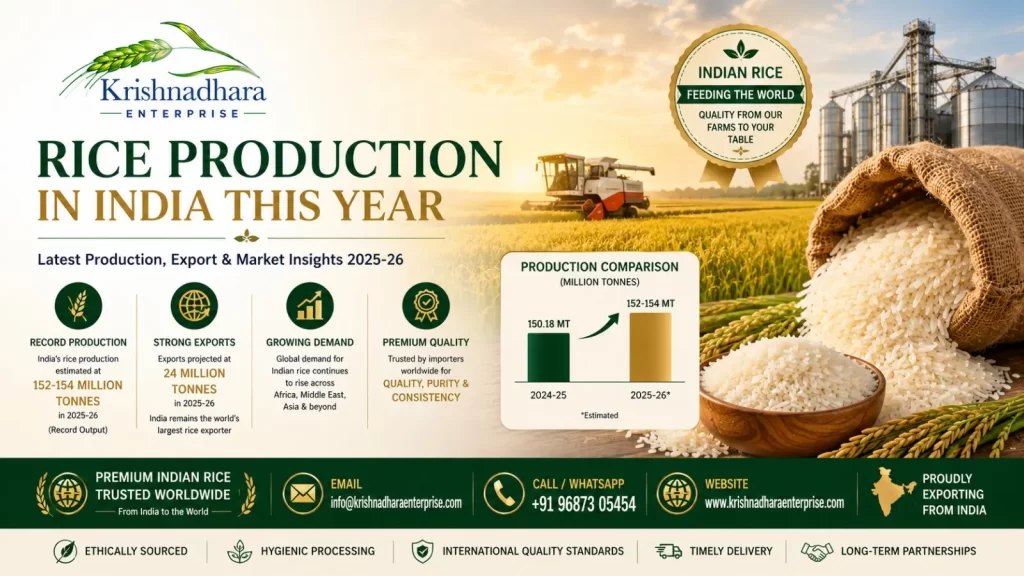
India is one of the largest rice producers in the world. This high production volume reduces cost per ton, allowing exporters to pass on the benefit to buyers. For importers, this translates into better margins and the ability to compete effectively in local markets.
Another important aspect is pricing stability. While global markets do fluctuate, experienced exporters work to maintain reasonable pricing structures and long term agreements. This helps importers plan better and avoid sudden disruptions.
Why African Importers Prefer Indian Rice Exporters
Choosing the right exporter is just as important as choosing the right product. African importers prefer Indian exporters because of their experience, reliability, and understanding of international trade.
The export process from India is well established. From documentation to customs clearance, exporters handle each step with clarity and precision. This reduces the risk of delays and ensures timely delivery.
Packaging flexibility is another key advantage. Different markets require different packaging sizes. Indian exporters offer options ranging from small retail packs to large bulk bags. This allows importers to align packaging with local market demand.
Private labeling is also a growing trend. Many African distributors want to build their own brand. Exporters like Krishnadhara support this by offering customized packaging with the importer’s branding. This helps businesses create a strong identity in their local markets.
Logistics and Shipping Advantages from India
Logistics can make or break an import business. Delays, damage, or inconsistent delivery can lead to major losses. Indian exporters have built strong logistics networks that support efficient shipping to African countries.
India’s strategic location and access to major ports make it easier to ship goods across Africa. Established shipping routes reduce transit time and ensure predictable delivery schedules.
Exporters also understand how to handle bulk shipments. Proper container loading, moisture control, and packaging techniques help maintain rice quality during long journeys. What this really means is fewer losses and better product condition upon arrival.
Quality Control That Builds Long Term Trust
Trust is built over time, and quality plays a central role in that process. Indian rice exporters follow strict quality control measures to ensure consistency in every shipment.
Before dispatch, rice is tested for key parameters such as moisture content, grain size, and purity. This ensures that the product meets both international standards and buyer expectations.
Maintaining quality is not just about compliance. It directly impacts business relationships. When importers receive consistent quality, they are more likely to place repeat orders and build long term partnerships.
Role of Indian Rice in Africa’s Food Supply
Rice has become one of the most important food staples in Africa. As populations grow and urbanization increases, demand for rice continues to rise.
Indian rice plays a crucial role in meeting this demand. Its availability, affordability, and adaptability make it a reliable option for both consumers and governments. In many countries, rice imports are essential to maintain food security. Importers rely on consistent suppliers to ensure that supply chains remain stable. Indian exporters have proven their ability to meet these demands over time.
Comparing Indian Rice with Other Exporting Countries
Importers often compare options before making a decision. Thailand, Vietnam, and Pakistan are also major rice exporters. Each has its strengths, but India offers a unique combination of advantages.
Compared to Thailand, Indian rice is often more competitively priced while still maintaining quality. Vietnam focuses on specific varieties, which can limit options. Pakistan offers basmati rice, but India’s larger production capacity gives it an edge in supply reliability.
What this really means is that Indian rice provides a balance of quality, variety, and pricing that is difficult to match.
Challenges in Rice Import and How Exporters Solve Them
Importing rice comes with its own set of challenges. Price fluctuations, shipping delays, and quality inconsistencies can create risks for importers.
Experienced exporters address these challenges through better planning and communication. Maintaining buffer stock helps manage supply disruptions. Clear documentation reduces delays at ports. Long term pricing agreements help stabilize costs. This level of support makes a significant difference for importers who need predictability in their operations.
Why Choose Krishnadhara as Your Indian Rice Exporter for Africa
Krishnadhara focuses on building long term relationships rather than one time transactions. The approach is simple. Deliver consistent quality, maintain clear communication, and support importers at every stage of the process.
Each shipment is handled with attention to detail, ensuring that quality standards are maintained. The team understands the specific needs of African markets and works closely with importers to meet those requirements.
What this really means is peace of mind. Importers can focus on growing their business while relying on a supplier they trust.
Future of Indian Rice Export to Africa
The demand for rice in Africa is expected to continue growing. Population growth, urban expansion, and changing consumption patterns are driving this increase.
For importers, this creates both opportunity and responsibility. Securing a reliable supplier becomes even more important. Indian exporters are well positioned to meet this demand due to their scale and experience. Those who build strong partnerships now will be better prepared for future market changes.
Conclusion
Indian rice has earned its position in African markets through consistent performance. It delivers quality that meets expectations, pricing that supports growth, and supply reliability that importers can depend on.
At the end of the day, the choice of exporter matters just as much as the product itself. Working with a trusted partner like Krishnadhara helps importers build a stable and scalable business in a competitive market.
Frequently Asked Questions
Why is Indian rice popular in Africa
Indian rice is widely preferred because it offers a strong balance of quality, affordability, and consistent supply, making it suitable for different market segments
Which Indian rice varieties are commonly exported to Africa
Both basmati and non basmati varieties are exported, depending on whether the market is premium or price sensitive
How can I start importing rice from India
You can connect with exporters like Krishnadhara who guide you through product selection, packaging, documentation, and shipping
What is the typical order quantity for rice imports
Most exporters work with full container loads, but quantities can vary based on agreement.
Can I get customized packaging for my brand
Yes, private labeling and customized packaging options are available for importers.